Curated templates
50 layouts with usage notes, bubble hints, and palette suggestions. Pick one to open the editor.
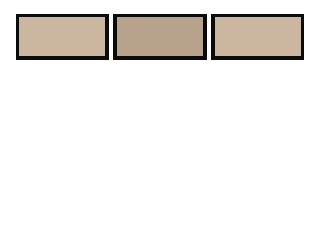
Classic 3-Panel Strip
Good for quick gags and punchlines; map three beats to panels.
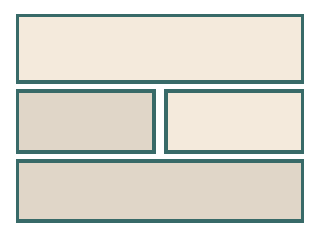
Setup Reveal Strip
Use the wide opening for context and the last panel for a clean turn.
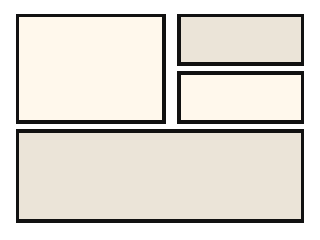
Tall Pause Strip
Works for a quiet reaction beat before a compressed final joke.
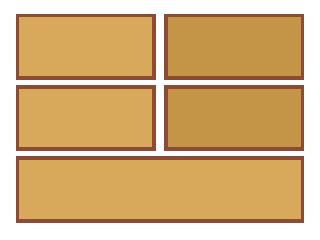
Call Response Strip
Alternate speaker beats across compact panels, then land on a wider response.
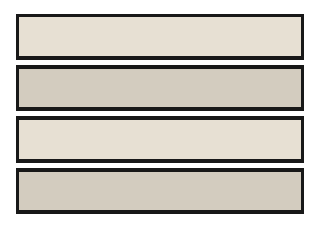
Beat Ladder Strip
Escalate one visual idea across five evenly paced beats.
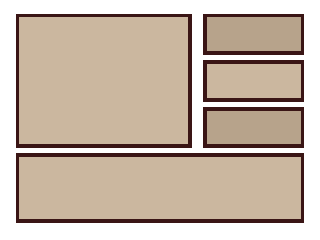
Manga Impact Left
Reserve the large left panel for impact and stack reactions on the right.
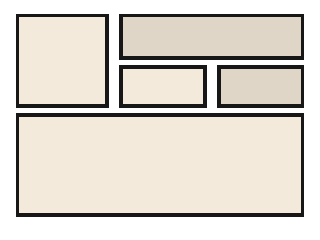
Manga Speed Cut
Good for motion, interruption, and fast emotional reversals.
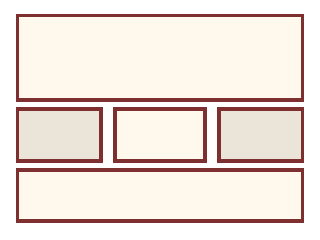
Manga Silence Burst
Pair small silent panels with one burst panel for contrast.
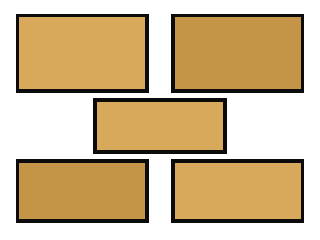
Manga Dialogue Cross
Balance two characters with a central shared reaction panel.
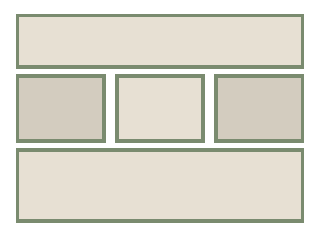
Manga Cliff Edge
Use the bottom width for a cliffhanger reveal or splash caption.
Graphic Novel Hero
Lead with a cinematic hero panel and divide consequences below.
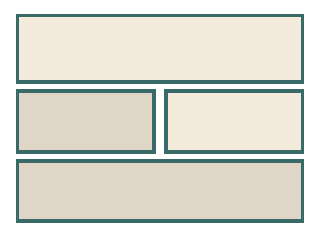
Graphic Novel Grid
A reliable six-beat page for exposition and clear visual continuity.
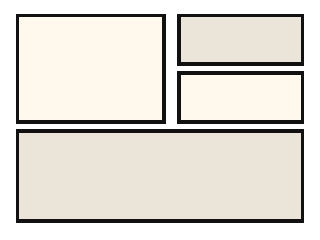
Graphic Novel Inset
Use the inset for evidence, a prop, a phone, or a remembered image.
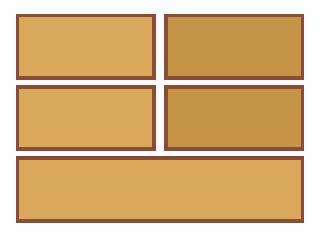
Graphic Novel Crosscut
Cut between locations while keeping one dominant emotional beat.
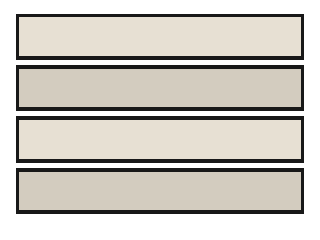
Graphic Novel Finale
Build toward a broad final image with room for a closing caption.
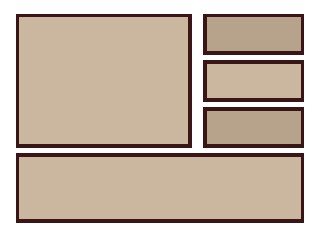
Webtoon Cascade
Designed for vertical scroll pacing with breath between beats.
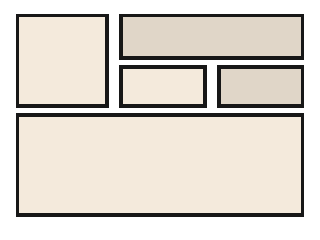
Webtoon Chat Flow
Good for conversation scenes, reactions, and phone-friendly reading.
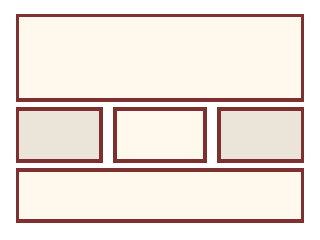
Webtoon Reveal Drop
Use negative space before the final tall reveal panel.
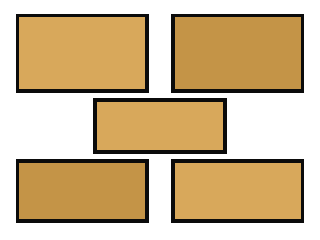
Webtoon Action Fall
A descending rhythm for chase beats or escalating danger.
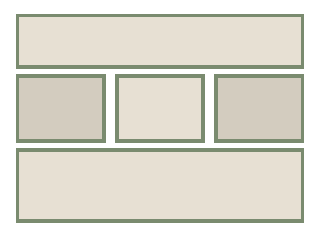
Webtoon Soft Landing
Best for gentle slice-of-life beats and emotional decompression.
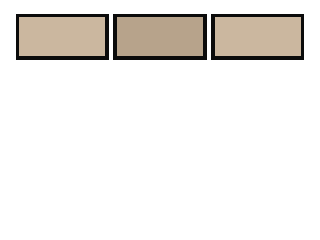
Noir Interrogation
Frame a tense back-and-forth with one shadow-heavy reveal.
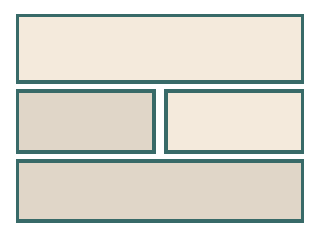
Noir Window Light
Use the narrow panels for light, clues, and withheld faces.
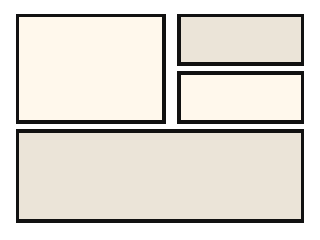
Noir Chase
Compress pursuit into clipped panels and land on a wide obstruction.
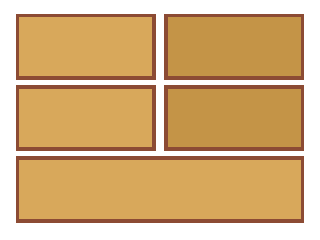
Noir Confession
Let a central close-up carry the emotional confession.
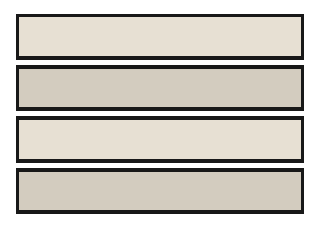
Noir Final Door
Build suspense toward a final threshold or door reveal.
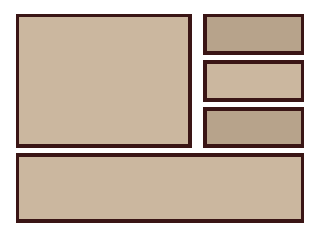
Kitchen Table
Perfect for domestic scenes where small gestures matter.
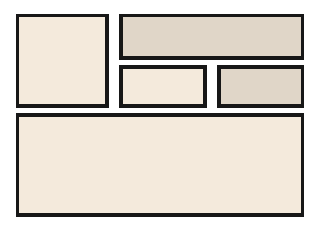
Walk Home
Use the side panels for environment and the center for the character choice.
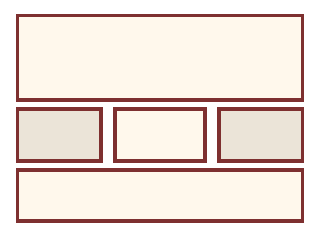
Coffee Date
Keep dialogue readable and give the last panel a gentle pause.
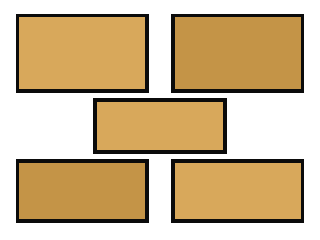
Memory Card
Use the inset for a flashback object or remembered detail.
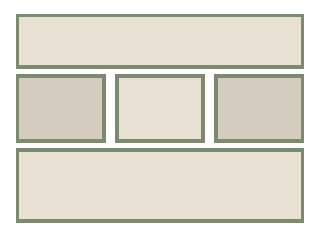
Rainy Day
Alternate atmosphere and expression for a reflective scene.
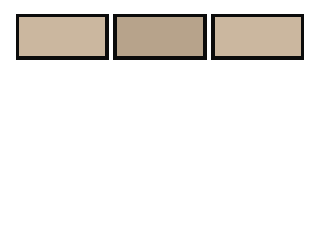
Starship Bridge
Lead with the environment and cut into screens, alarms, and crew reactions.
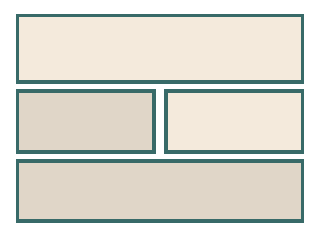
Airlock Countdown
Good for time pressure, status panels, and a final door beat.
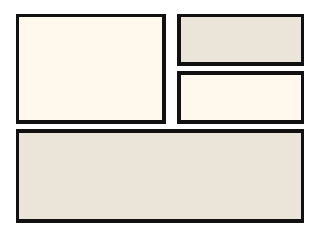
City Scan
Use wide panels for scale and small panels for interface details.
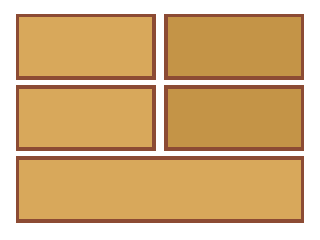
Signal Glitch
Fragment a discovery across panels for unease and mystery.
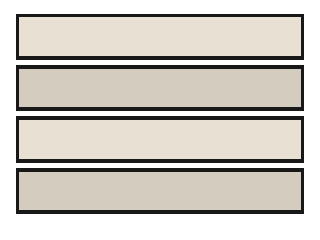
First Contact
Hold one large image for the unknown and smaller panels for human response.
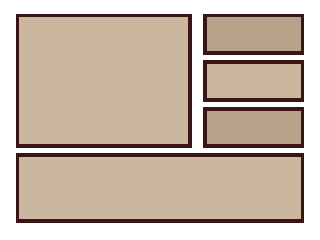
Quest Gate
Start with a location reveal and stage the party's decision below.
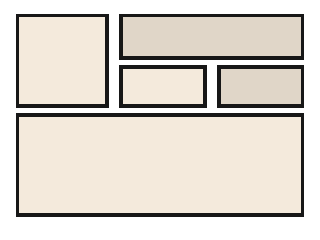
Spell Circle
Use radial-feeling panel balance for ritual, magic, and reaction.
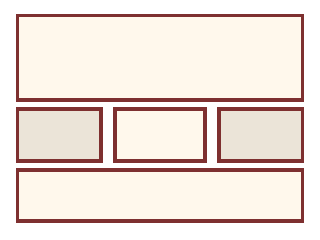
Tavern Rumor
A conversational page with room for props and overheard detail.
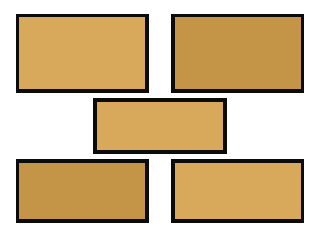
Dragon Shadow
Reserve the largest panel for scale and the rest for dawning fear.
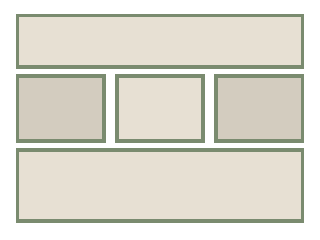
Duel Exchange
Alternate action and expression, then finish on the decisive strike.
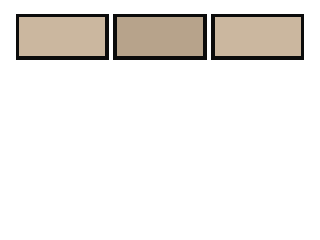
First Look
Give the first glance a large panel and let reactions breathe around it.
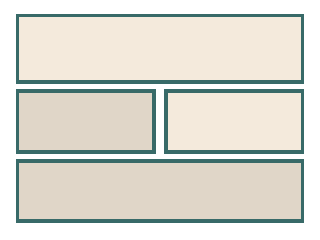
Near Miss
Use cross-cut panels for almost-meeting tension.
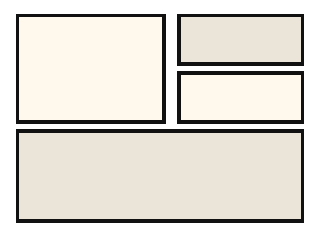
Letter Scene
Place the letter or message as an inset anchor for the scene.
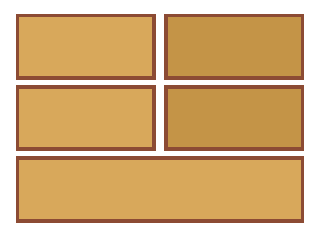
Slow Dance
Use symmetrical panels for intimacy and a final wide emotional beat.
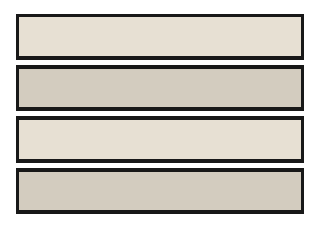
Goodbye Platform
Stage distance, reaction, and a lingering final image.
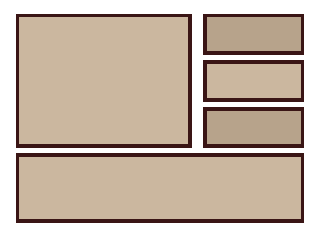
Long Hallway
Let the page move from space to detail to a sudden close-up.
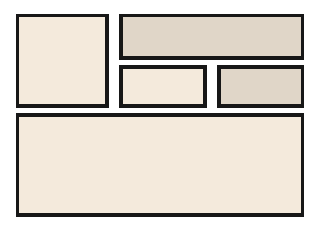
Found Footage
Use uneven panels to imply camera cuts and unreliable evidence.
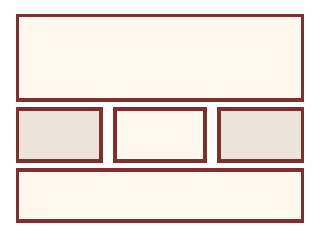
Door Crack
The narrow panels are ideal for partial reveals and sound cues.
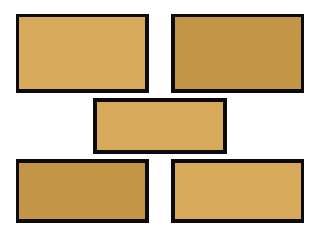
Basement Descent
Descend visually through panels before the final bottom reveal.
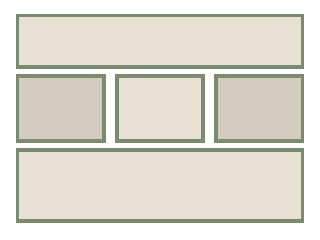
Mirror Reveal
Use paired panels for reflection, mismatch, and delayed recognition.